5 days kilimanjaro marangu route
- Tanzania
- 5 days
Overview
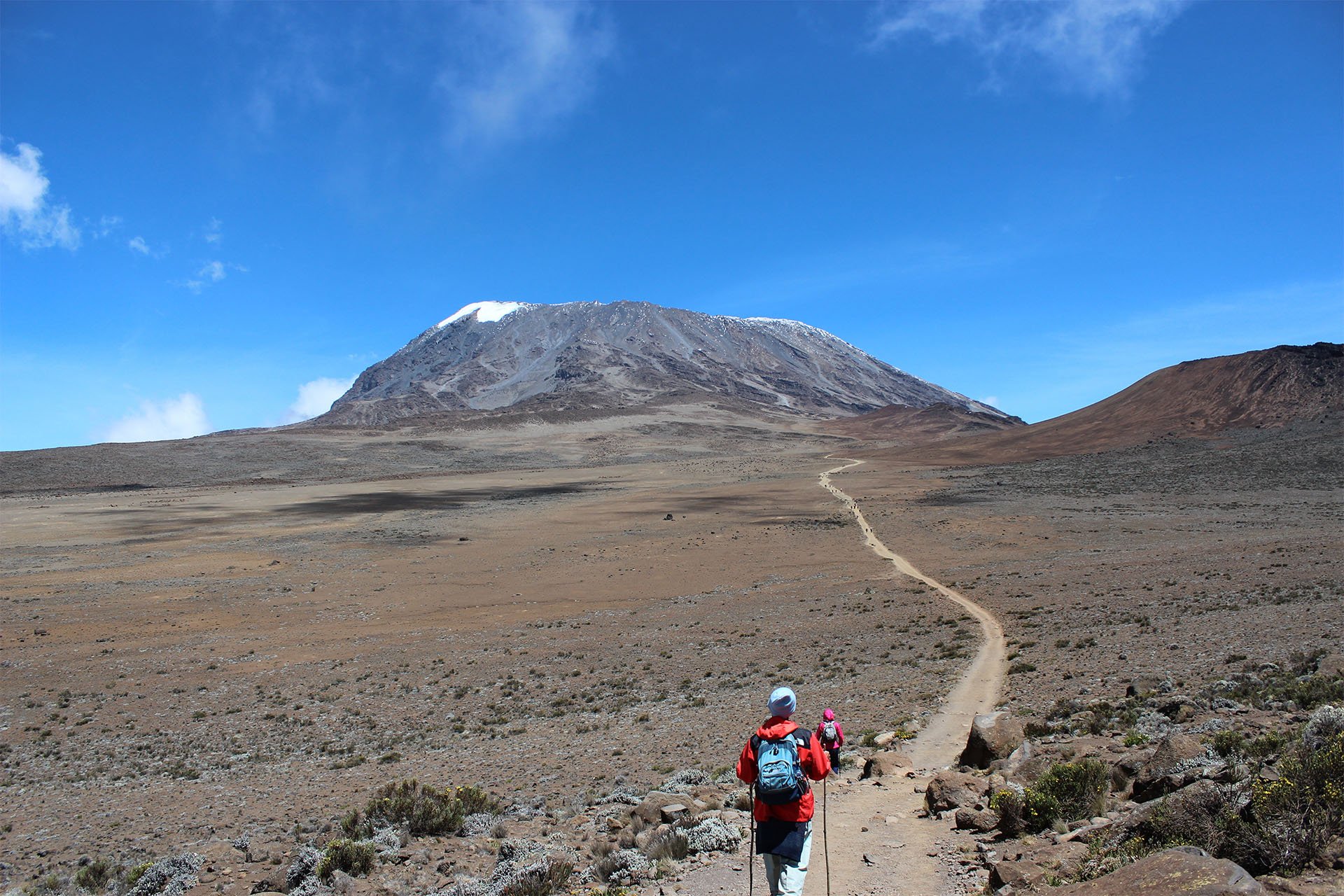
The Marangu Route has been referred to as the ‘Coca Cola’ route and this has led potential climbers to think that it is an easy route to the summit. This is far from the truth to be honest! The fact that it requires a minimum of 5 days to complete it does not mean that it is easier than any other route. The only reason that people say it is easier is because it is the only route up Kilimanjaro where you sleep in huts as opposed to tents. An optional acclimatization day at Horombo Huts is highly recommended for those with no prior trekking in altitude experience under their belt. Advance booking of hut accommodation is required to avoid any inconveniences. The route starts from the park headquarters in the village of Marangu and heads straight westwards towards Kibo. The trail goes through lush rainforest, heath and moorland to alpine desert and ultimately the arctic zone at the peak and same route down.
Best time to visit: July - AugustDuration
Map Overview
Places to Visit
Day by Day Itinerary
Inclusions
Exclusions
Frequently Asked Questions
Where is Mt Kilimanjaro and how do I get there?
Mt Kilimanjaro is situated in the east African country of Tanzania. Visitors arrive in the country either at Julius Nyerere International Airport near the capital, Dar es Salaam, or Kilimanjaro International Airport. From there, make your way to Moshi or Arusha, depending on the departure point for your chosen route. It is advisable to arrive a couple of days before your trek departs, so you will need to arrange accommodation if not included in your package.
When can I climb Mt Kilimanjaro?
Kilimanjaro can be climbed year-round, although inclement weather and uncomfortable conditions in the Wet Seasons (April-May and November – mid-December) mean that most people climb in the Dry Seasons, from January to mid-March and June to October. The optimal climbing conditions mean that this is the busiest time for expeditions. For those who are more experienced and prefer some solitude, a Wet Season climb can be a rewarding challenge. Expeditions can encounter extreme weather events at any time, so be prepared.
Who can climb Mt Kilimanjaro?
The minimum age limit to climb Kilimanjaro is 10 years old. A special exemption may be issued for younger persons at the sole discretion of the Parks Authority. The authorities do not impose restrictions on who may attempt to climb the mountain, and numerous individuals with special needs or disabilities have successfully summited. While not technical, the trek is strenuous and participants should consult their doctor if they have pre-existing conditions that may be affected by extreme exertion or altitude.
How much does it cost to climb Mt Kilimanjaro?
While it is possible to climb for as little as $1500, we strongly advise against this. Operators charging low prices generally have numerous ethical shortcomings, including the mistreatment of staff. Depending on the time of year and the route you choose, you should expect to pay upwards of $2000 per person, with some “luxury” options exceeding $6000. Note, that these rates generally do not include transport, pre- and post-trek accommodation, staff gratuities or other expenses.
What overnight arrangements should I expect when climbing Mt Kilimanjaro?
Aside from the Marangu Route, all routes require sleeping in tents. Given the physical challenges, your tent is a sanctuary and an established nightly routine will refresh you. Have comfortable, warm clothes to change into and take measures to retain body heat and avoid getting yourself or your gear wet. Eat plenty to aid recovery and stamina. Visit the toilet before you go to sleep. Note that toilet facilities are basic at best.
Do I need to bring a tent and camping gear for Mt Kilimanjaro?
Tents and equipment for meal preparation are provided with quality varying between operators. All luggage and camping gear is carried by porters This necessitates large support teams. Typically, two people share a tent and they also have a large mess tent, complete with tables and chairs where meals are prepared and served. We highly recommend that you bring your own tried and tested gear, such as an expedition-quality sleeping bag (rated to -18 deg. Celsius) and walking poles.
How can I make my trip eco-friendly?
As with all popular hiking routes, litter and environmental impacts are a big concern. Do what you can to assist in keeping the environment pristine. Adopt a “Leave no Trace” philosophy and do not discard any trash en route. Keep to the designated trails and campsites to prevent damage to the environment. Bring your own water bottle/hydration pack. Park officials monitor everything that goes onto and leaves the mountain by weight, so do your bit to assist your support team in avoiding penalties for non-compliance.
What should I pack for my trek on Mt Kilimanjaro?
While space and weight are prime considerations, it is better to have something and not need it, than vice versa. Porters will assist in carrying the bulk of your belongings but you should limit yourself to essentials, ideally items that are tried and tested. Read our comprehensive Kilimanjaro Packing List.
What activities can I do after completing my trek?
The trek concludes at the base camp with a celebratory meal. Most trekkers book a night of comfort in good accommodation in Arusha, taking some time to recuperate by the pool or with a massage. African Traits can further arrange wildlife safaris in Tanzania’s amazing national parks or beach holidays on the renowned spice island of Zanzibar. Speak to us to discuss the options.
What type of food is served?
Good food is essential to maintain stamina on the trek. Most operators provide ample food, starting with a large breakfast of porridge and cooked items. Packed lunches are provided to be carried by participants The day’s walking ends with light snacks while dinner is prepared All dietary requirements/restrictions can be catered to, provided advanced notice is given at the time of booking your trek.
How many days do I need to climb Mt. Kilimanjaro?
Trekking packages vary in length from 5 to 9 days. It is important to note that experts suggest that the only effective way to prevent altitude sickness is to ascend gradually, allowing the body ample time to acclimatize to the effects of high altitude. Accordingly, the longer the duration, the better the chances of reaching the summit. The other depending factor is the route chosen, as some are longer than others. Experts suggest 6 days is the minimum one should aim for.
Do I need a guide and support team to climb Mt Kilimanjaro?
All people wishing to climb Kilimanjaro are required by law to retain the services of a registered and licensed professional guide. All climbers must register with the Parks Authority prior to departure and sign in at each camp. Your guide and support team are essential to ensure your safety and comfort during the expedition. They are there to assist with their expertise, porterage of equipment and belongings and ensure compliance with relevant protocols.
What should I expect from my Mountain Guide?
Summiting Kilimanjaro is challenging for most, so an experienced guide is essential in improving your chances and keeping you safe. Your guide should have an excellent knowledge of the terrain and changing conditions, particularly the weather. A good guide will regularly perform safety checks on equipment and will monitor the group for signs of fatigue or illness; adjusting the pace of the trek to that of the slowest/weakest participants. Your guide should also be a certified Wilderness First Responder (WRF).
What physical preparation is necessary to climb Mt Kilimanjaro?
While climbing Kilimanjaro is not regarded as a technical climb, it is nevertheless an arduous expedition that should not be underestimated. Even for physically fit people, the main reason people fail to reach the summit is altitude sickness. It is advised that participants establish a progressive training program, beginning 12 weeks prior to the attempt. It is prudent to get a medical assessment beforehand, to identify potential underlying health risks.
Are there any safety/health concerns that I should be aware of when climbing Mt Kilimanjaro?
Altitude sickness, or Acute Mountain Sickness, is the primary health concern. Symptoms include headaches, nausea, vomiting, dizziness, fatigue, loss of appetite and shortness of breath. Other extreme conditions are High Altitude Pulmonary Edema and Cerebral Edema. These conditions typically present above 2500m and are caused by ascending too quickly. Gastrointestinal complaints may also occur. We recommend that you consult your healthcare professional for advice, prevention and treatment options. Given the rugged environment, there is also an inherent risk of injuries typical of outdoor pursuits. Make sure your expedition team is well-equipped for all outcomes. For your own peace of mind and well-being, we encourage you to make every effort to select a reliable operator with qualified and experienced guides.
Should I get travel insurance for my Mt Kilimanjaro climb?
In Tanzania in general, wages are low – so a generous gratuity for good service is always appreciated. Bear in mind that there is a large support team, each member doing their bit to ensure you are well looked after throughout. We recommend US$20 per person per day for each mountain guide and US$10 per person for each porter. Please keep in mind the rigorous service and the experience and skills that combine to provide you with this unique experience.